
Before hiring a builder, homeowners should understand how the construction price is established and what can change it. A preliminary estimate, a fixed construction price, and a running total of actual costs are different things.
Two common approaches are cost-plus and fixed-price construction. Both require a clear agreement, but they allocate cost uncertainty differently and give homeowners different information throughout the project.
Understanding those differences makes it easier to evaluate a proposal and know what financial responsibilities come with it.
1. What is Cost-Plus Construction?
Under a cost-plus arrangement, the homeowner pays the construction cost allowed by the contract, plus the builder’s agreed fee. That fee may be a percentage, a fixed amount, or another method.
The agreement should identify which cost are reimbursable and how they will be documented. Labor, materials, subcontractors, equipment, and other expenses need clear definitions so the homeowner understands what is being billed.
An initial budget can guide the work, but in an uncapped cost-plus agreement it is not automatically the final price. If allowable costs increase, the homeowner generally pays those increases according to the contract. If cost are lower, the amount paid can also be lower.
2. What is Fixed-Price Construction?
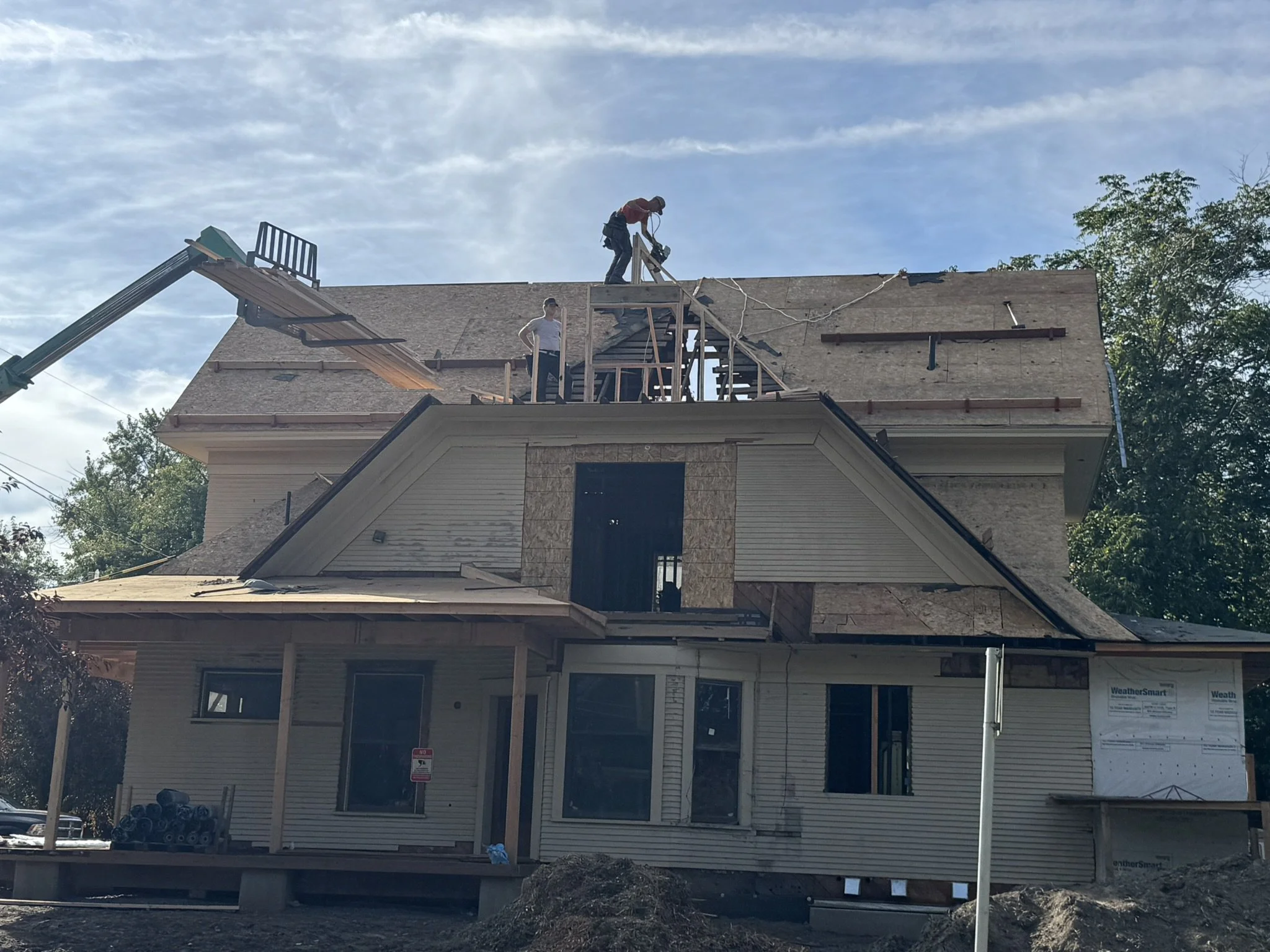
With fixed-price construction, the builder establishes an agreed price for a defined scope. The price is based on the work, documents, selections, assumptions, and terms identified in the agreement.
For that unchanged scope, the builder generally carries the risk of estimating ordinary construction costs accurately, subject to the contract’s provisions. Spending more than anticipated on the same included work does not automatically create an additional homeowner charge.
The homeowner’s price also does not ordinarily decrease simply because the builder completes that scope for less. The agreement is for the defined work at the agreed price, rather than reimbursement of every actual expense.
3. A Simple Example of the Difference
Consider a hypothetical portion of a project with estimated reimbursable costs of $100,000. Under a cost-plus agreement with a 15 percent fee, that portion would total $115,000 if the actual allowed costs matched the estimate.
If those costs instead reached $110,000, the same percentage calculation would produce $126,500, assuming no cap or other adjustment provisions. The Builder’s fee rises with the cost in this example because it is percentage-based; a fixed fee w9uld work differently.
If the same scope were contracted at a fixed price of $115,000, an ordinary esstimating overrun would generally remain the builder’s respinsibilty. This is illustration ecludes scope chnages and otger contract adjustments, which must be evaluated.
4. Changes and Allowances Still Need Clear Rules
Fixed-price construction does not mean the homeowner can change the project withoutt affecting the price. Added work, diffeernt selections, and qualifying unforseen conditions may result in adjustments under the agreement.
Allowances also need a definded basis. Selecting a product above or below its allowance chnages the budget differently from asking for additional work that was never included.
For either pricing approach, the agreement should explain:
What the base scope and allowances include
How selection differences are calculated
How changes are priced and approved
How quaifying concealed or unforseen conditions are handled
5. Cost-Plus Can Include a Maximum Price
Some cost-plus agreements include a guaranteed maximum price, often called a GMP. This combines reimbursement of allowable costs and a fee with a c contractual ceiling, sbject to deined adjustments.
It is different from a standard fixed-price arrangment. Actual costs still mater, and the agreement determines how any savings are treated. Approved changes or other stated provisions may also adjust the ceiling.
The name of the pricing method is therfore only the beginning. Homeowners need to understand the specific agreement, inlcuding cost records, payment procedures, and any limits or exceptions.
6. The Handley Approach
At Handley, we establish a fixed price for the defined construction scope beofre constructioni begins. We believe tbe respnsibility for accurately estimating the included work belongs with the builder. That approach depends on thoughtful planning. Desin decisiions, material expectations, and the boundaries of the scope need enough definition to support a meaningful price.
For owner-selected finishes, clear budgets help keep choices connected to the project. Our planning conversations address:
What is included in the construction price
Which selections remain open and their established budgets
What would constitute a chnage to the agreed work
How price adjustments will be communicated
Start With an Understandable Agreement
A well-explained pricing structure helps homeowners focus on their project with a clearer understanding of how decisions affect the budget. The written agreement controls the specific responsilities and adjustments.
Planning a custom home or renovation in Walla Walla Valley? Contact Handley Construction & Development to disucss your goals, the propsed scope, and how we establish the contrsuction price
Talk With Us About Your Project
