
Choosing a custom home builder is one of the most important decisions you'll make during the building process.
Price matters, but it shouldn't be the only consideration. You're choosing the company that will manage your budget, coordinate dozens of decisions, and ultimately determine the quality of a home you may live in for decades.
Here are seven things worth looking at before choosing a builder.
1. Look at the Work, Not Just the Portfolio
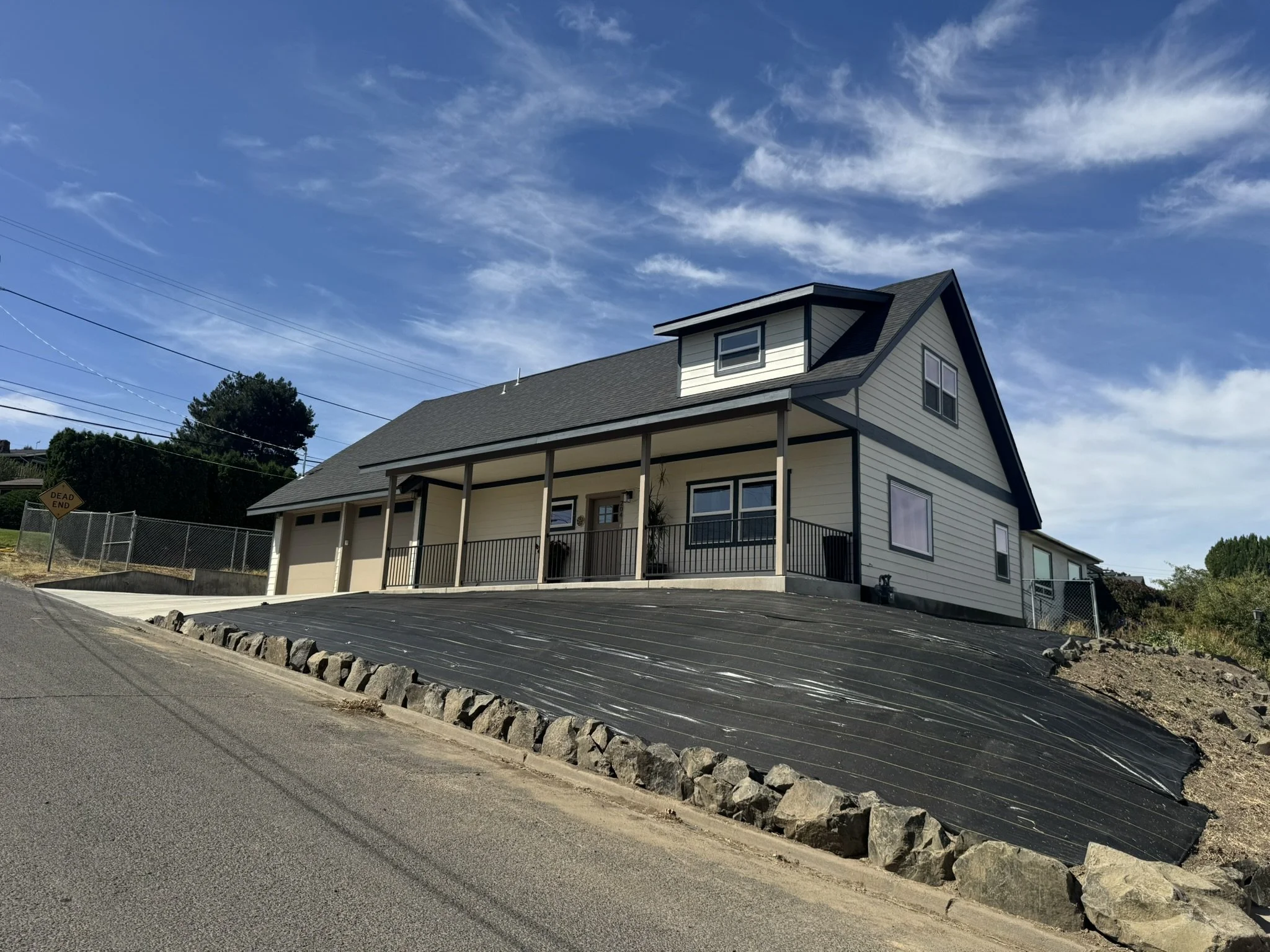
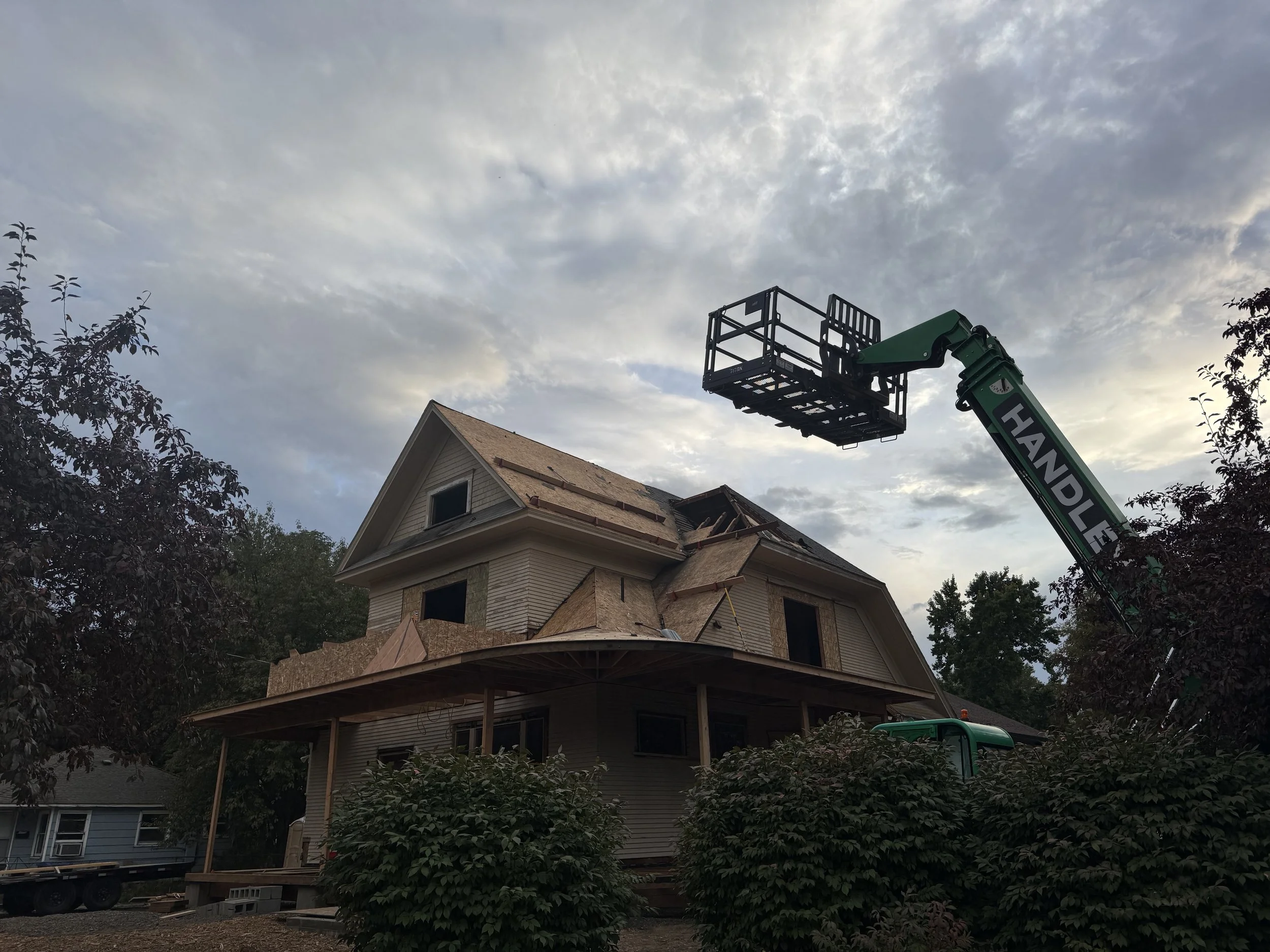
Finished photographs are useful, but they only show part of the story. When possible, look closely at both completed homes and projects under construction.
Pay attention to:
Quality of framing and structural work
Exterior details and transitions
Finish carpentry, tile, cabinetry, and paint
Overall organization and condition of active jobsites
A well-built home should look good when it's finished, but quality starts long before the finishes are installed. Some of the most important work in a house will eventually be hidden behind drywall, siding, and concrete.
2. Understand Who Will Actually Build Your Home
The company you hire isn't necessarily the same group of people who will perform the work.
Ask who will manage the project, which portions are self-performed, which are subcontracted, and who will actually be on the jobsite from day to day.
There is nothing inherently wrong with subcontracting specialized work. What matters is understanding how those trades are selected, managed, and held to a consistent standard.
The Handley Way
At Handley, we've intentionally developed specialized crews for many of the major trades involved in our projects. It gives us greater control over coordination and allows our craftsmen to work together from one stage of construction into the next.
Continuity between crews and trades
A custom home passes through many hands, and problems often happen at the transitions between them. Find out how the builder coordinates one phase with the next and who is responsible for making sure details established during framing, mechanical work, and rough-in carry through correctly into the finishes.
3. Pay Attention to the Pre-Construction Process
A good builder should be asking a lot of questions before construction begins.
The early process should address things such as:
The property and site conditions
Design priorities and how you intend to use the home
Budget expectations
Materials, systems, and level of finish
This is also where design and construction need to communicate with each other.
A decision that looks simple on a drawing can have significant structural or cost implications in the field. Connecting those conversations early can prevent expensive redesign and changes later.
4. Understand How the Builder Prices the Project
What Is a Fixed-Cost Contract?
With a fixed-cost contract, the builder establishes a price for a defined scope of construction before the project begins. The builder is responsible for estimating the labor, materials, subcontractors, equipment, overhead, and other costs necessary to complete that scope.
For the homeowner, this provides:
A clearly defined construction price
Greater certainty when planning the overall project budget
Less exposure to routine fluctuations in construction costs
A clear process for pricing changes that fall outside the original scope
A fixed-cost contract still needs a well-defined scope. Changes requested by the homeowner or unforeseen conditions outside the agreed scope may result in a change order.
What Is a Cost-Plus Contract?
With a cost-plus contract, the homeowner pays the actual costs incurred to build the home, plus an agreed fee or percentage for the builder.
Rather than establishing the complete construction cost at the beginning, the final price develops as the project progresses.
This means:
Actual labor, material, and subcontractor costs are passed through to the homeowner
The builder's fee is added according to the contract
The final construction cost can change as actual costs change
The homeowner carries more of the risk if labor, materials, or other project costs exceed the original estimate
Cost-plus can provide flexibility on projects where the scope is difficult to define in advance, but homeowners should understand that an initial estimate is not necessarily the final construction price.
The Handley Way
We believe every homeowner deserves transparent pricing from the start. We believe that the builder, not the homeowner, should carry the risk of accurately estimating the cost to build the home.
We establish a fixed price for the defined construction scope before construction begins. That means if labor or material costs within that scope are higher than we estimated, that is our responsibility, not an additional cost passed on to the homeowner.
For items that depend on personal preference, we establish clear budgets that allow homeowners to make their selections throughout the process. These typically include:
Plumbing and lighting fixtures
Appliances
Tile and flooring
Other owner-selected finish materials
If a homeowner selects something above or below the established budget, only that difference is adjusted.
We believe this creates a better relationship between homeowner and builder: the price is established from the beginning, the expectations are clear, and the homeowner can focus on building their home rather than wondering what the final bill will be.
5. Ask How Changes and Selections Are Handled
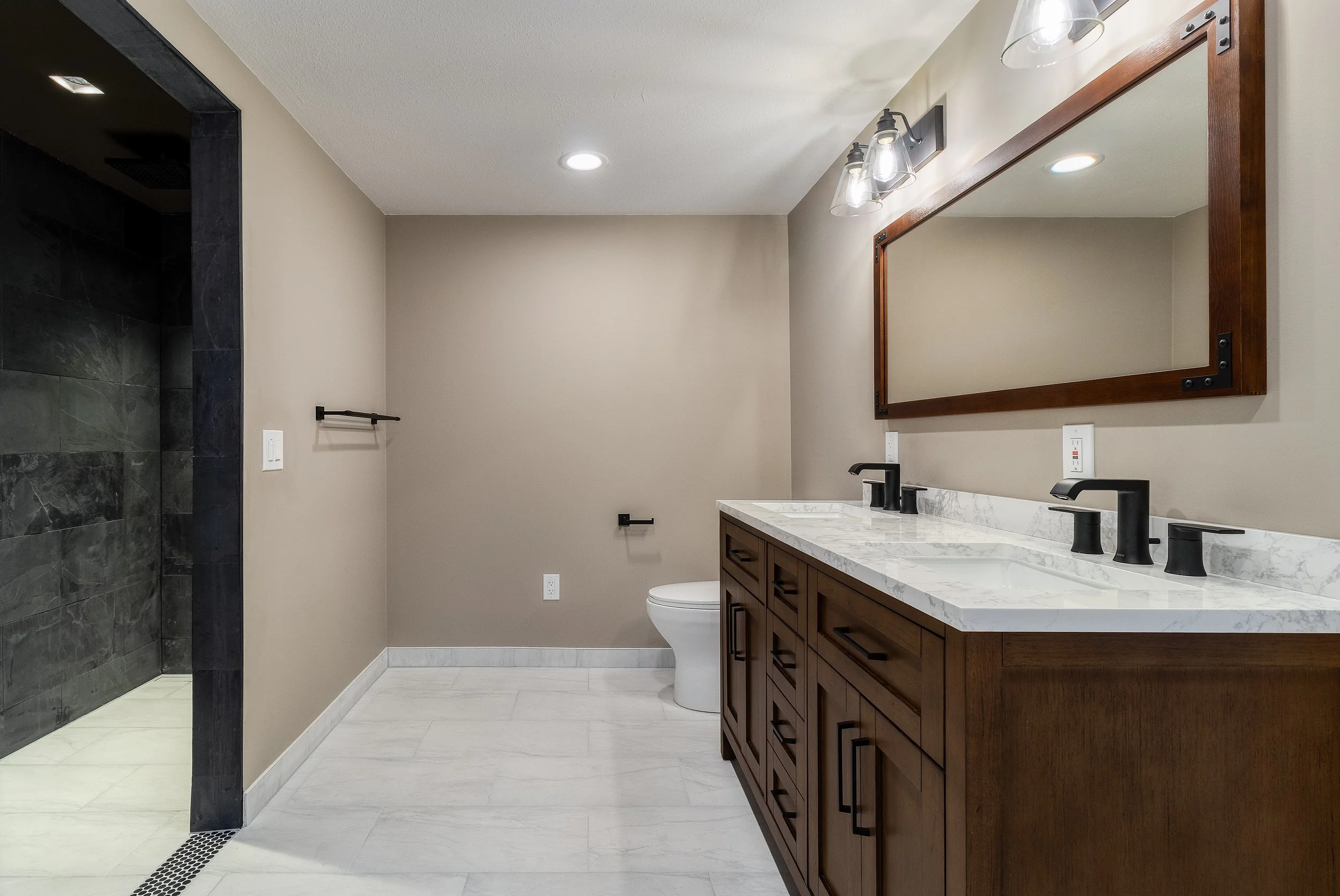
Custom homes involve hundreds of decisions.
Flooring, cabinets, tile, plumbing fixtures, lighting, paint, hardware, appliances, countertops, and countless smaller details all need to be selected at the right point in the construction schedule.
A builder should have a process for keeping those decisions ahead of the work.
You should also understand how changes are documented and priced. Clear communication about changes protects both the homeowner and builder and reduces surprises when invoices arrive.
6. Look for Communication and Organization
Construction rarely goes exactly as imagined on day one. Questions arise, site conditions are discovered, materials change, and decisions need to be made.
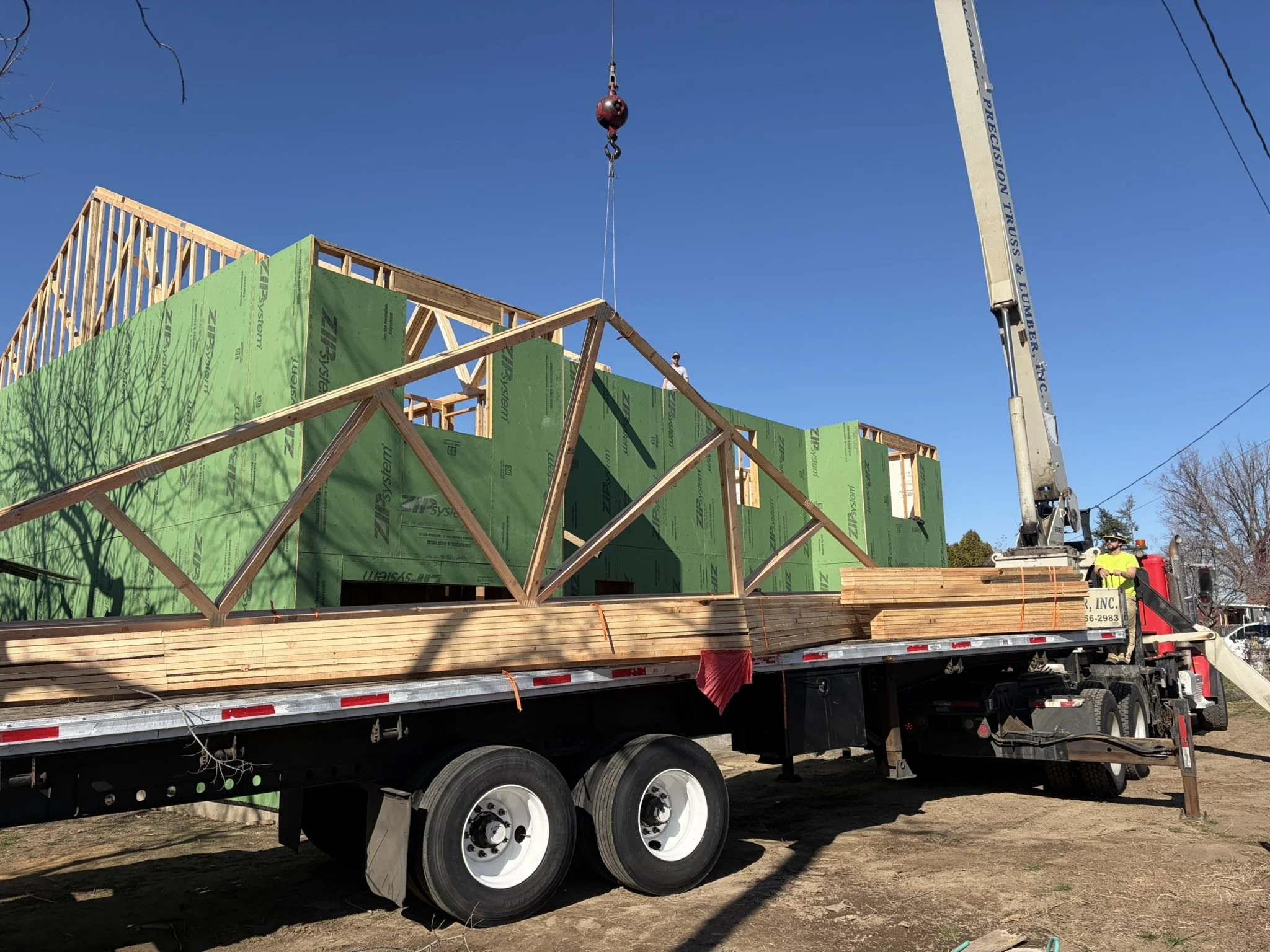
What matters is how those situations are handled.
Look for a builder who can clearly explain:
What is happening now
What is coming next
What decisions you need to make
When something has changed from the original plan
Good communication doesn't eliminate every challenge in construction. It makes those challenges much easier to work through.
Before You Make a Decision
Take the time to meet with more than one builder, look at their work, ask questions, and understand their process.
You're not simply purchasing a finished product. You're entering a relationship that will continue through design decisions, construction, inspections, selections, changes, and eventually the completion of your home.
The right fit should give you confidence in both the home being built and the process used to build it.
Considering a Custom Home in the Walla Walla Valley?
Handley Construction & Development builds a limited number of custom homes each year, allowing our design, project management, and construction teams to remain closely involved throughout the process.
